|
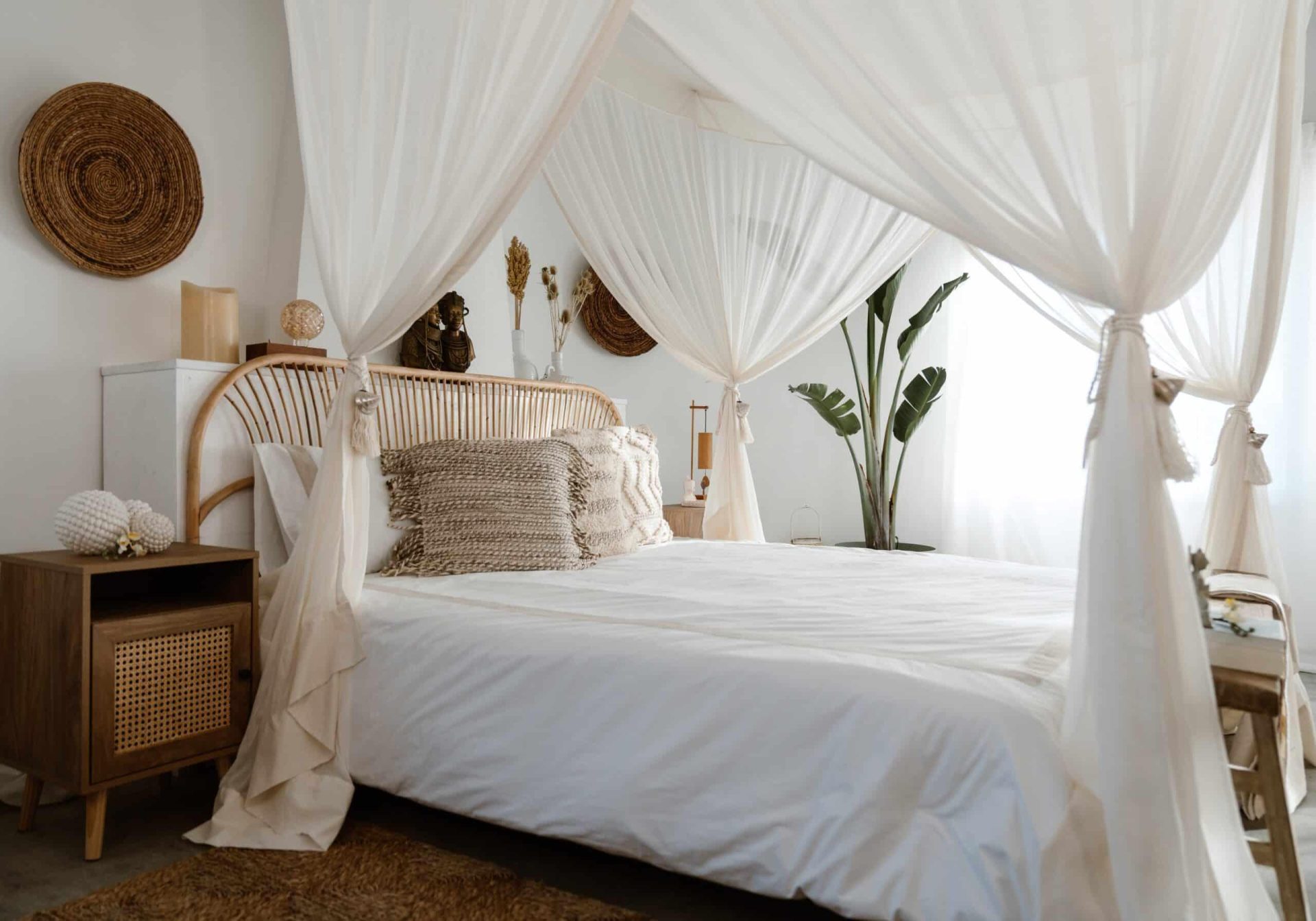
A restful home is rarely created by one dramatic change. More often, it grows from considered choices: softer materials, natural textures, practical objects with visual appeal and accessories that make a room feel more personal. In bedrooms and outdoor living spaces especially, these details shape not only how a space looks, but also how it feels to use every day. When function becomes part of the interiorSome household products are bought purely for practical reasons. Others can become part of the atmosphere of a room. Mosquito nets are a good example. Their purpose is straightforward, yet the right shape, fabric and finish can soften the lines around a bed and create a more sheltered, intimate setting. Cotton offers a naturally relaxed appearance and a soft drape, while finely woven polyester tends to create a lighter and more structured effect. A round model suspended from one point can feel airy and informal. Rectangular designs attached at several points create a more architectural frame around the bed. In rooms with sloping ceilings or unusual walls, flexible suspension can help the fabric follow the space rather than fight against it.
Looking beyond the bedroomThe same principle applies outdoors. Patios, balconies and pergolas increasingly function as extensions of the home, with textiles and accessories helping these areas feel more comfortable. A mosquito net designed for outdoor use can define a dining or lounge area while adding protection during warm evenings. Material choice matters here. Outdoor fabrics need to cope with movement, repeated use and changing conditions. Reinforced polyester combined with stronger canvas details can make a net more suitable for seasonal outdoor settings than a delicate indoor version. This broader approach is visible in the Nusarah assortment, where mosquito nets are combined with home accessories such as hammocks, cushions, throws, tassels and fragrance products. Rather than treating each item as an isolated purchase, the collection focuses on creating a coherent sense of calm across different living spaces. Why materials influence the atmosphereTexture changes the way we experience a room. Natural cotton brings softness and warmth, while smoother woven materials can feel lighter and more minimal. Small finishing details also matter. A stronger edge, a metal ring, a hand-finished tassel or a sturdy storage bag can subtly influence how refined a product feels. There is also a practical reason to choose durable materials. Products intended to last do not need to be replaced as quickly, while careful storage can extend their usable life. For textiles, regular airing and cleaning according to the care label help preserve both fabric and appearance. Craftsmanship adds another dimension. Small-batch production allows closer attention to seams, proportions and finishing than a purely volume-driven process. When products are made by skilled makers, the human element remains present even when the design itself is restrained. Designing with a more conscious mindsetInterior choices increasingly involve questions about where materials come from, how products are made and what happens to them after use. A more responsible approach does not have to mean sacrificing elegance. Reusable cotton packaging, recycled materials, reduced plastic use and the reuse of production remnants can all sit comfortably alongside a refined aesthetic. Ethical production matters too. Working with small ateliers, supporting fair working conditions and avoiding unnecessary overproduction connects the appearance of a product with the way it was made. Beauty then becomes about more than color, proportion and texture; origin and intention become part of the story. Creating a layered, personal settingA calm interior does not need to look empty. A mosquito net can form the visual frame, while a textured throw, understated cushions or handmade decorative details add depth. Fragrance can introduce another sensory layer in spaces designed for rest. The result is a setting where useful objects contribute to the atmosphere instead of interrupting it, and where comfort, craftsmanship and visual calm can coexist naturally. |